Laser vision correction
SMILE vs LASIK vs LASEK in Korea: how the three compare
Three laser options, three different trade-offs. A side-by-side look at method, recovery time and who each one tends to suit, using the clinic's own comparison.

Lens surgery
Close-up vision fades because the lens stiffens, not because of laser surgery. Here is how monofocal and multifocal lenses differ, and what ArtiPlus is.
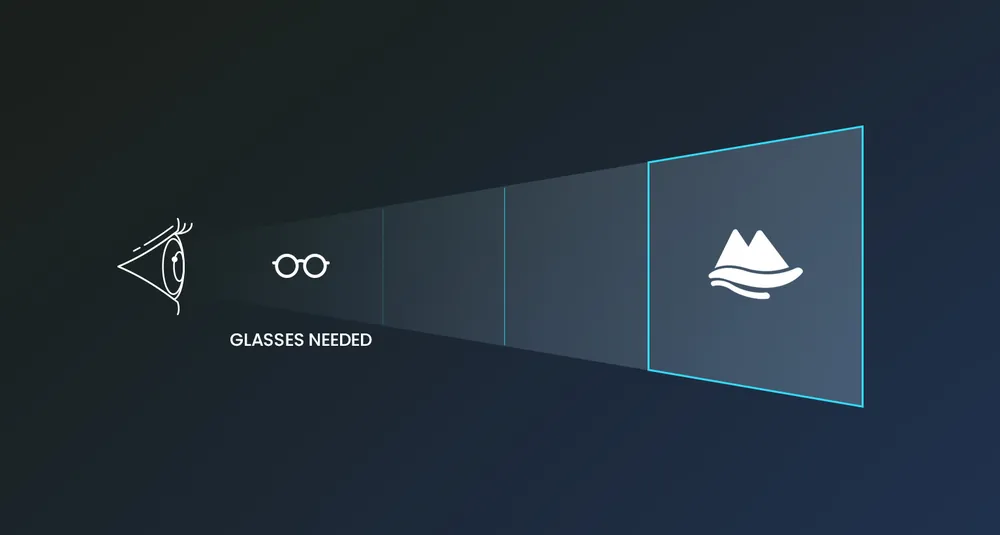
Presbyopia is the point where reading a phone or a menu needs glasses. It is an age-related change in the lens of the eye, and it is a different problem from the one laser surgery solves.
This guide explains why close-up vision fades, how the main lens types differ, and what the clinic offers. The full procedure page is presbyopia surgery.
Presbyopia is an age-related process caused by loss of elasticity of the lens. The lens becomes stiffer as structural crystallin proteins become misfolded, which limits the eye's ability to adjust focus for reading or other near tasks.
It is not directly related to whether you had vision correction surgery, and it can still occur naturally over time.
| Monofocal lens | Multifocal lens | |
|---|---|---|
| Focus | One distance only: near, intermediate or far | Near, intermediate and far |
| After surgery | Reading glasses may still be needed | Designed to see at all three distances |
| Distances | One of near, intermediate or far | Near about 40 cm (reading), intermediate about 80 cm (computer), far beyond 100 cm |
Multifocal lenses work like glasses with bifocal or progressive lenses.
ArtiPlus is an implantable lens developed from the Artiflex lens. It treats presbyopia while preserving the natural lens, without cataract surgery.
The clinic has partnered with the Dutch company OPHTEC in joint research. If your near vision is fading and your natural lens is still clear, ask whether ArtiPlus fits your eyes.
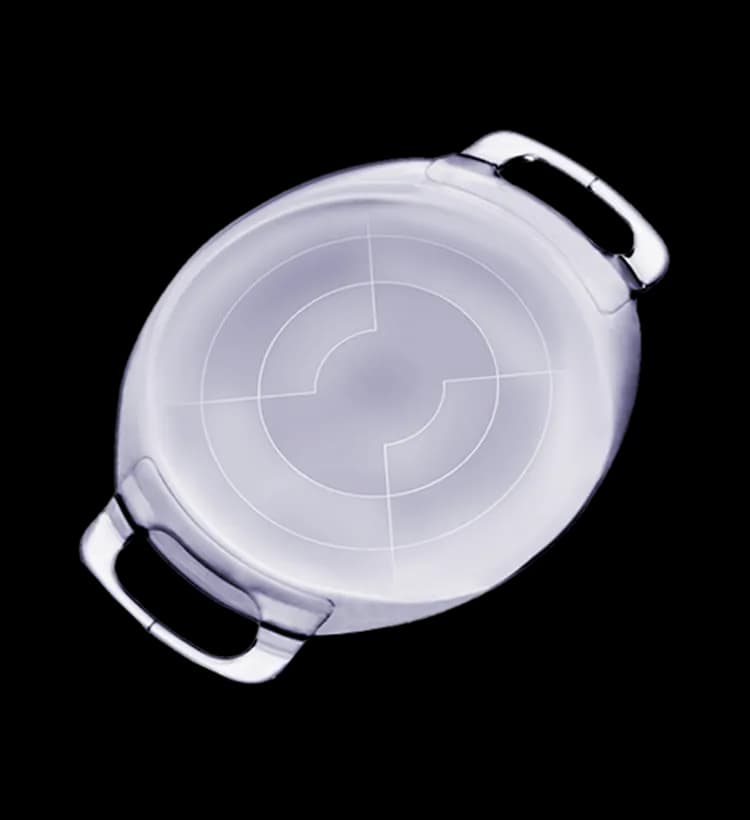
Your lifestyle, goals and sensitivity to glare and halos decide which lens is proposed.