
Lens surgery
ICL surgery in Korea: a lens implant for thin corneas and high myopia
An implantable lens placed inside the eye. Nothing is cut away from the cornea, so it is an option when laser surgery is not.
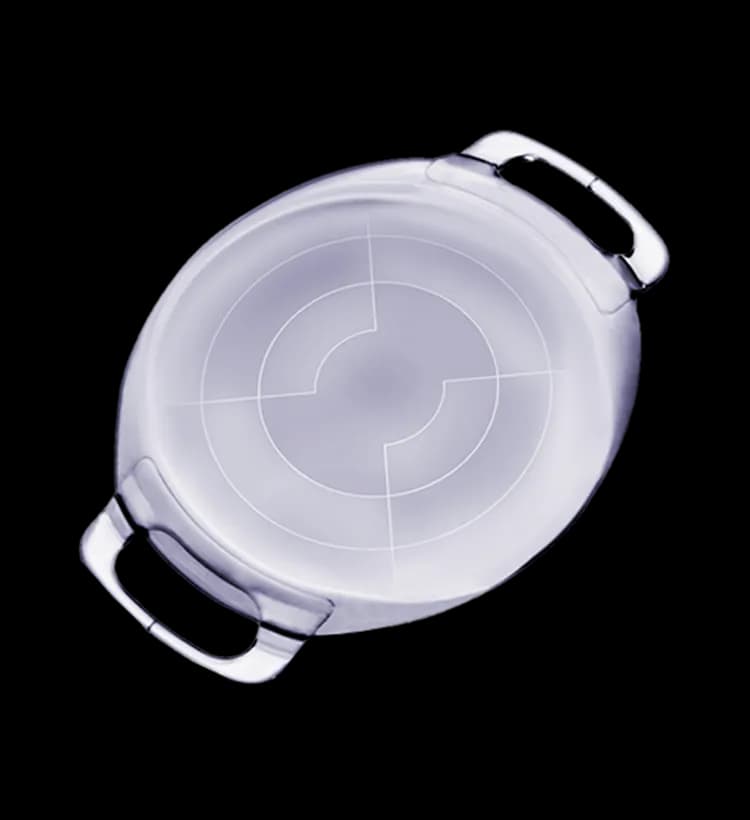
Does this sound like you?
- You were told your cornea is too thin for LASIK or SMILE.
- Your myopia or astigmatism is high.
- You want a procedure that can be reversed.
How ICL works
ICL implantation is an alternative for patients with a thin cornea and high myopia or astigmatism. Unlike LASEK or LASIK, the procedure does not remove tissue from the cornea.
- Safe, according to the clinic.
- Reversible.
- Fast recovery.
Lens types at Bright Eye Clinic
Lens size matters, and the clinic can use all types of lenses. Dr. Hyun Chul Cheon also presented early clinical experience with the Koryo Eyetech KPL posterior chamber phakic lens at ESCRS 2026.
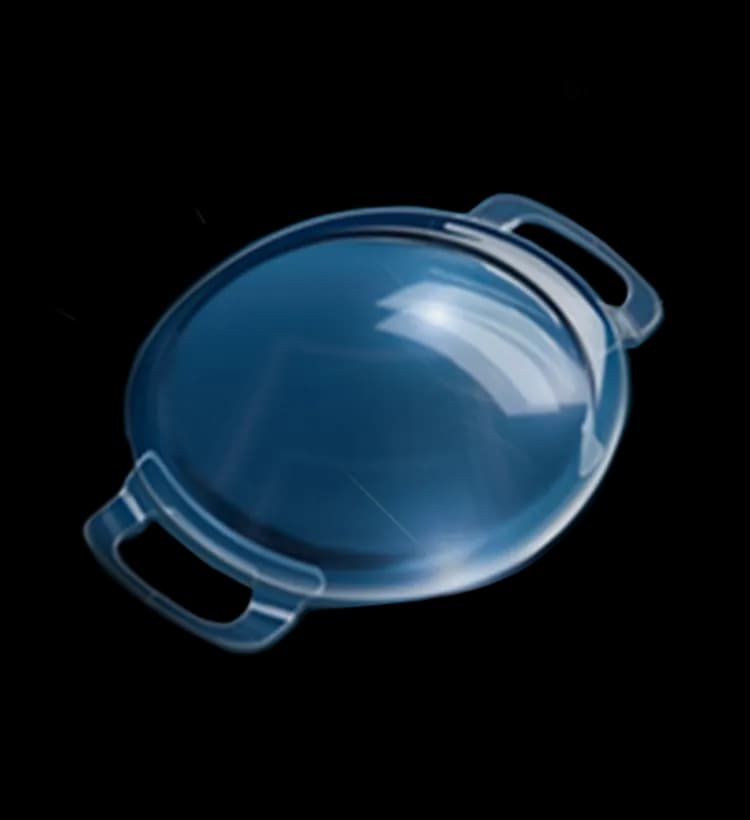
- Echo
- Artiflex
- Artiplus
- Aqua ICL
ICL after laser surgery
If vision declines after laser surgery and not enough corneal tissue remains for another laser treatment, ICL surgery may be considered as an enhancement.
Frequently asked questions
Which vision correction procedure is right for me?
Vision correction procedures include LASEK, LASIK, SMILE, and Implantable Collamer Lens (ICL) surgery. Each option differs based on how the cornea is treated. The best procedure is determined after a comprehensive eye examination, which evaluates factors such as corneal thickness, the amount of tissue that can be safely removed, corneal endothelial cell health, eye anatomy, astigmatism, and overall ocular condition. Your lifestyle and visual needs are also carefully considered before recommending the most appropriate treatment.
Can my vision worsen again after surgery? Is an enhancement possible?
If vision decreases after surgery, it is most commonly due to myopic regression or dry eye. Myopic regression occurs when changes in the cornea lead to a partial return of nearsightedness and is typically identifiable within days after surgery. Vision changes related to dry eye are more common and may develop due to postoperative dryness, lifestyle factors, or environmental conditions. These symptoms can usually be improved with proper dry eye management and care. If necessary, enhancement options may be considered depending on the amount of remaining corneal tissue. These may include procedures such as LASEK or Implantable Collamer Lens (ICL) surgery. Additionally, presbyopia (age-related difficulty with near vision) is not directly related to whether vision correction surgery has been performed and may still occur naturally over time.
Will I need follow-up check-ups after surgery?
After SMILE surgery, a follow-up check-up is typically performed within 1–2 weeks to evaluate healing and surgical outcomes. After that, additional visits are optional unless you experience significant changes in vision or discomfort. However, because eye health involves more than just the cornea — such as the retina and optic nerve, which can affect vision — annual comprehensive eye exams are strongly recommended, regardless of whether you have undergone vision correction surgery.
How should I prepare before my examination or surgery?
For both your examination and surgery, you must stop wearing contact lenses prior to your visit: • Rigid (hard) or toric lenses: at least 2 weeks • Soft contact lenses: at least 5 days • Orthokeratology (Ortho-K) lenses: at least 1 month Please avoid excessive fatigue and alcohol before surgery. If you are taking heart-related medications or blood-thinning medications such as aspirin, you must inform your doctor during consultation to determine whether these medications should be discontinued approximately one week prior to surgery. On the day of surgery, please avoid makeup (except basic skincare such as toner or lotion), perfume, hairspray, or other sprays, as these may interfere with laser equipment. Wear comfortable clothing that allows you to lie down easily (avoid hooded sweatshirts, short skirts, or boots). Because vision may be temporarily affected immediately after surgery, driving is not recommended. Please use public transportation or arrange for a ride, and having a companion is strongly encouraged.