
Message the clinic

Lens surgery

Cataract surgery in Korea with premium lens choices

The clouded natural lens is replaced with an artificial intraocular lens. Your lens options are compared against your exam results.

Hand holding a phone that shows a sharp road view, labelled After

Does this sound like you?

  • Your vision looks clouded, and glasses no longer fix it.
  • You are scheduling cataract surgery and want to compare lens options.
  • You travel for care and need a single-trip plan.

What a cataract is

A cataract is a clouding of the natural lens of the eye. It usually starts after age 50, but can appear in younger patients, mostly caused by trauma.

During surgery the natural lens is removed and an artificial intraocular lens is inserted in its place.

Choosing the lens

At Bright Eye Clinic, a personal plan is made by comparing lens options against your detailed exam results and visual needs.
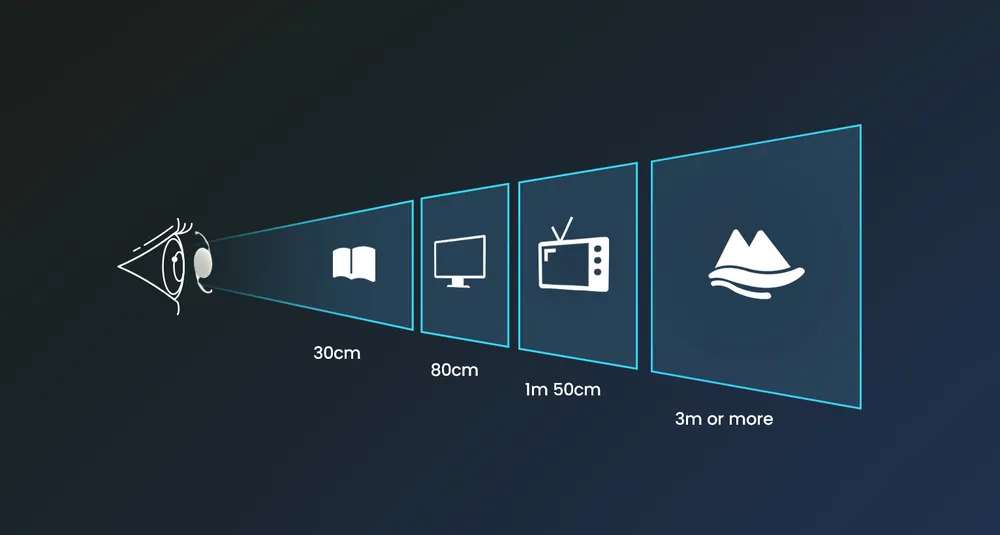
Near, intermediate and far vision range with multifocal lenses
  • ZEISS LUCIA: clear monofocal vision and stable outcomes.
  • Alcon Clareon PanOptix Pro: the clinic says it uses this lens most extensively in Korea.
  • Hanita Intensity: a multifocal lens with a wide range from distance to near. The clinic is a certified Intensity Global Center.

Surgical setting

Surgery uses the Carl Zeiss Lumera 700 microscope. Professor Gerd U. Auffarth, a cataract and refractive surgery specialist, toured the clinic during its Hanita Intensity symposium and called it a facility and medical team optimized for cataract treatment.
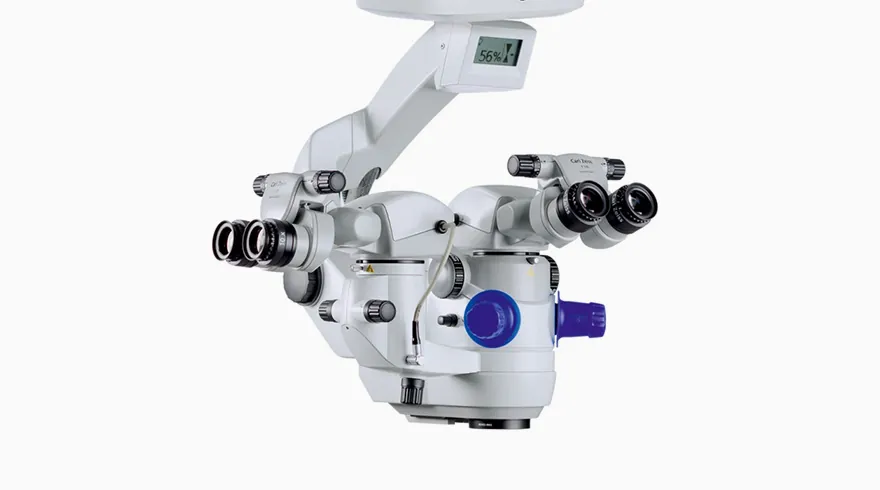
Carl Zeiss Lumera 700 surgical microscope

Frequently asked questions

At what age do cataracts start?
Cataracts usually start after age 50, but they can be noticed in younger patients too, mostly caused by trauma.
What happens in cataract surgery?
The natural lens is removed and an artificial intraocular lens is inserted in its place.
Will I still need reading glasses after cataract surgery?
With a monofocal lens you may still need reading glasses. A multifocal lens is designed to see near, intermediate and far.
How should I prepare before my examination or surgery?
For both your examination and surgery, you must stop wearing contact lenses prior to your visit: • Rigid (hard) or toric lenses: at least 2 weeks • Soft contact lenses: at least 5 days • Orthokeratology (Ortho-K) lenses: at least 1 month Please avoid excessive fatigue and alcohol before surgery. If you are taking heart-related medications or blood-thinning medications such as aspirin, you must inform your doctor during consultation to determine whether these medications should be discontinued approximately one week prior to surgery. On the day of surgery, please avoid makeup (except basic skincare such as toner or lotion), perfume, hairspray, or other sprays, as these may interfere with laser equipment. Wear comfortable clothing that allows you to lie down easily (avoid hooded sweatshirts, short skirts, or boots). Because vision may be temporarily affected immediately after surgery, driving is not recommended. Please use public transportation or arrange for a ride, and having a companion is strongly encouraged.

Keep reading