
Lens surgery
Presbyopia surgery in Korea: see near, mid and far again
Reading glasses at 45? Presbyopia is a loss of lens flexibility, not a laser problem. Lens implants address it directly.
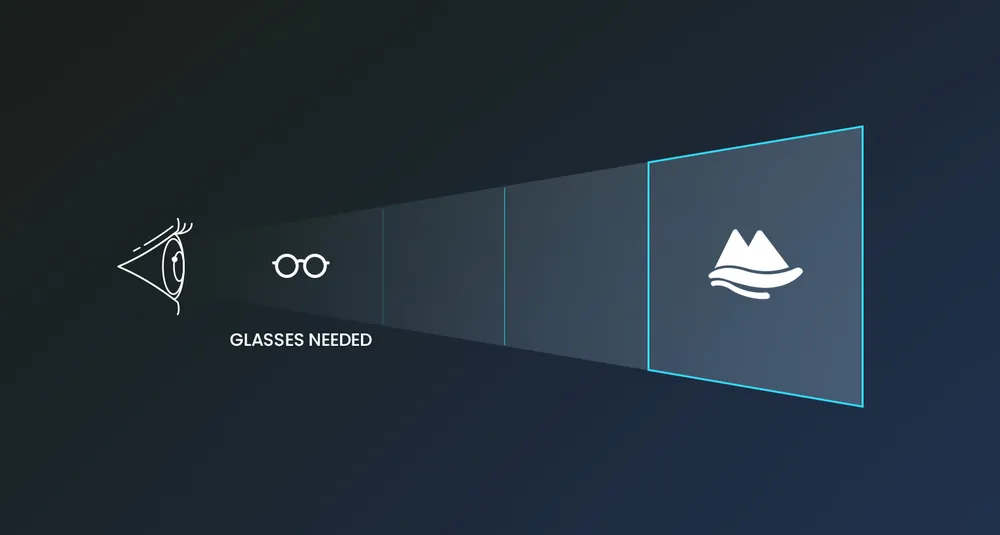
Does this sound like you?
- You are in your 40s or 50s and need reading glasses for your phone.
- You had laser surgery years ago and now struggle with near vision.
- You want to avoid cataract surgery while your natural lens is still clear.
Why close-up vision fades
Presbyopia is an age-related process caused by loss of elasticity of the lens. The lens becomes stiffer as structural crystallin proteins become misfolded, which limits the eye's ability to adjust focus for reading or other near tasks.
It is not directly related to whether you had vision correction surgery, and it can still occur naturally over time.
Monofocal or multifocal lens
| Monofocal lens | Multifocal lens | |
|---|---|---|
| Focus | One distance only: near, intermediate or far | Near, intermediate and far |
| After surgery | Reading glasses may still be needed | Designed to see at all three distances |
| Distances | One of near, intermediate or far | Near about 40 cm (reading), intermediate about 80 cm (computer), far beyond 100 cm |
Multifocal lenses work like glasses with bifocal or progressive lenses.
ArtiPlus for young presbyopes
ArtiPlus is an implantable lens developed from the Artiflex lens. It treats presbyopia while preserving the natural lens, without cataract surgery. The clinic has partnered with the Dutch company OPHTEC in joint research, and received awards for performing the highest number of ArtiPlus surgeries worldwide (in 2023 and again later).
Dr. Hyun Chul Cheon was an invited speaker at the OPHTEC Expert Talk at ESCRS 2026.
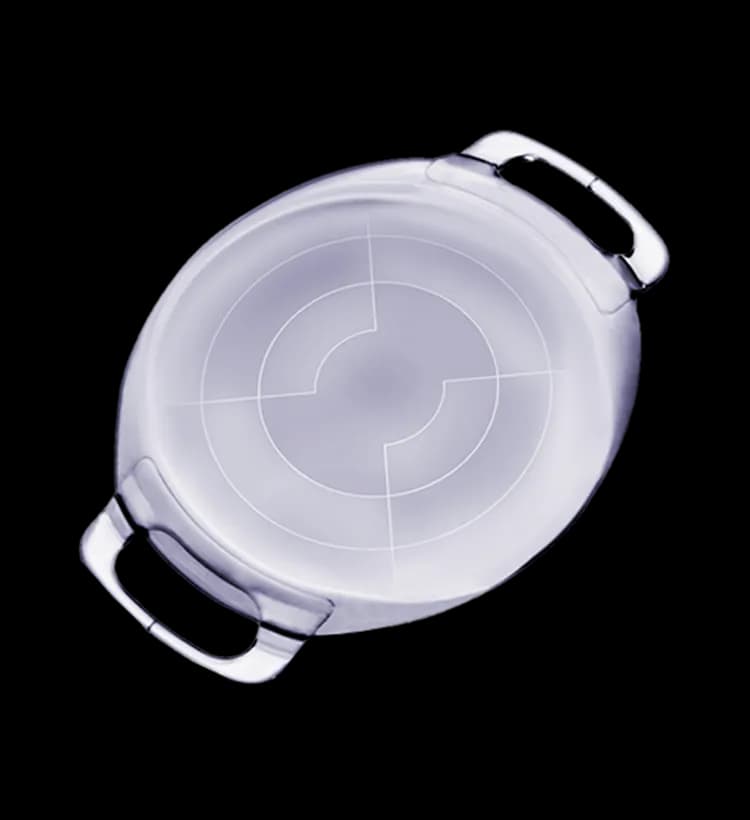
Lens options the clinic compares
Your lifestyle, goals and sensitivity to glare and halos decide which lens is proposed.
- Alcon Clareon PanOptix Pro: the clinic reports a 93% light utilization rate.
- Hanita Intensity: a multifocal lens with Dynamic Light Utilization, certified as an Intensity Global Center.
- ZEISS LUCIA: a monofocal option.