Laser vision correction
SMILE vs LASIK vs LASEK in Korea: how the three compare
Three laser options, three different trade-offs. A side-by-side look at method, recovery time and who each one tends to suit, using the clinic's own comparison.

Laser vision correction
What you pay for SMILE in Korea comes down to the laser platform (SMILE or SMILE Pro), whether your cornea needs an added step such as corneal strengthening, and whether the exam confirms SMILE for you at all.
Have you collected a few SMILE laser eye surgery cost Korea quotes, and now you're worried the number will change once someone actually measures your corneas?
Read this before you book flights around any of them.
By the end you'll know what decides the cost of SMILE, which review-thread claims hold up and which don't, how SMILE and SMILE Pro differ as methods, and what recovery looks like on a short trip. That's enough to judge which quote fits your eyes and your budget.
Hello, I'm Dr. Hyun Chul Cheon, Representative Director at Bright Eye Clinic Gangnam in Seoul. I'm an ophthalmology specialist, certified in ICL and SMILE.
We have three VisuMax lasers on site, including the ZEISS VisuMax 800 used for SMILE Pro, and the clinic holds a ZEISS certificate for 100,000 SMILE procedures. Interpreters work with our international patients.
I'm writing this because a SMILE quote given before anyone has measured your eyes is really a guess about which procedure you'll end up having.
Three things set what you'll pay for SMILE in Korea: whether you're treated with SMILE or SMILE Pro, whether your cornea calls for an added step such as corneal strengthening, and whether the exam confirms SMILE for you at all. We don't publish a price list, so the figure for your eyes comes from your own measurements.
If you have a recent glasses or contact lens prescription, send a photo of it on WhatsApp with the rough dates you could travel. Then ask the one thing your current quotes leave unclear: what exactly the figure includes.
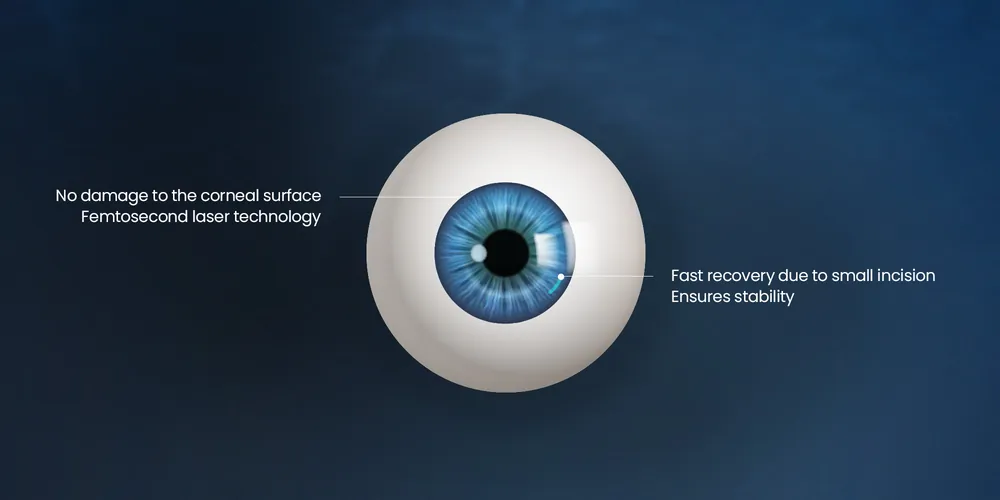
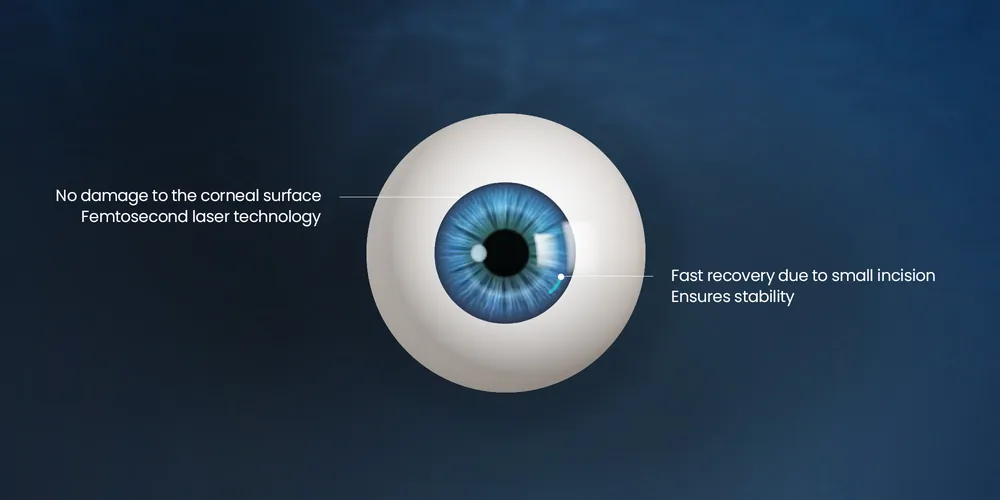
SMILE reshapes the cornea from the inside. A femtosecond laser cuts a thin disc of tissue, called a lenticule, within the cornea, and the surgeon removes it through a small incision. Taking out that disc flattens the cornea by the amount your prescription needs. With SMILE, the laser part takes about 23 to 30 seconds per eye.
Unlike LASIK, no flap is lifted. Reinstein and colleagues trace how the technique developed and how it performed in a 2014 review in Eye and Vision, if you want the background.
SMILE treats nearsightedness, and it can correct astigmatism along with it. It suits eyes with a stable prescription and corneas thick enough for the tissue it removes. Which procedure is right for you comes out of a full exam: corneal thickness, how much tissue can safely be removed, the health of the corneal endothelial cells, the anatomy of your eye, your astigmatism and the overall condition of the eye. Your lifestyle and what you need to see day to day matter too.
If you're still weighing flap, flapless and surface methods, our comparison of SMILE, LASIK and LASEK in Korea lays out the trade-offs.
One limit is worth knowing before you budget. SMILE doesn't treat presbyopia, the age-related loss of near focus that shows up in most people's 40s whether or not they've had surgery. If reading glasses are already creeping into your life, lens-based options work on a different cost logic, which I cover in what sets cataract surgery cost in Korea.
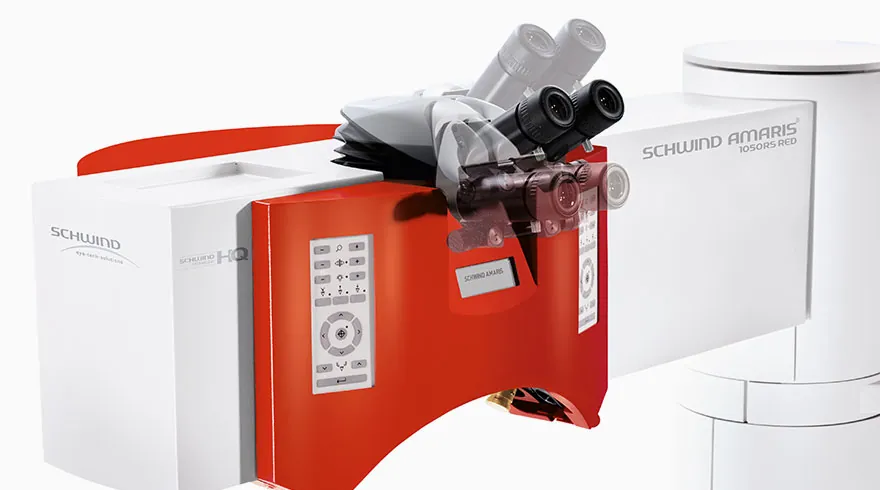
No. The cut, the lenticule and the small incision are the same. SMILE Pro runs on the ZEISS VisuMax 800, which has a faster femtosecond laser, enhanced eye tracking and centration, and improved astigmatism correction capabilities. The laser time drops to about 10 seconds per eye.
For cost, that means the platform is one of the lines that moves your quote. Whether SMILE Pro is the right choice for your eyes is something I decide after the full exam, not from the prescription alone.
When two quotes look different, one of these is usually behind it.
The last line is your own spending, not the clinic's, but it belongs in the same spreadsheet. A shorter quote that forces an extra week in a hotel isn't really shorter.
When you compare quotes, compare their contents. Ask whether the figure covers the pre-op exam, the surgery on both eyes, the post-op drops and the follow-up visit. If your exam ends up pointing toward LASIK, the breakdown in what moves LASIK cost in Korea walks through that side. For your own figure, ask on WhatsApp what it would cost for your case and attach a photo of your prescription.
| Factor | Why it changes your quote |
|---|---|
| SMILE or SMILE Pro | Different laser platforms: ZEISS VisuMax or VisuMax 800 |
| Corneal strengthening (CXL) | Often advised for thin corneas or a large amount of tissue removal |
| A different procedure | If SMILE isn't suitable, LASEK or an ICL implant may be recommended instead |
| Aftercare | Dry eye care if you need it, plus the check-up 1 to 2 weeks after surgery |
| Days in Seoul | Your hotel nights around the exam, surgery and check-up |
In short, this is where most quote surprises come from, so it gets the longest answer.
Say you're in your early 30s, you've worn soft lenses for over a decade, your prescription is around minus 6 with some astigmatism, and your corneas measure on the thin side for that correction. The first question I'd ask is how much tissue SMILE would take out and how much would be left behind. If the margin is comfortable, SMILE stays on the table.
If it's tight, corneal strengthening may come into the conversation, because CXL is commonly recommended when the cornea is thin or a lot of tissue has to be removed.
Risks and side effects to know
If the margin is too tight even for that, I'd move you toward LASEK or an ICL implant. An ICL leaves the cornea alone and corrects with a lens placed inside the eye. It carries its own risks: the FDA's page on phakic intraocular lenses lists cataract, raised eye pressure and loss of corneal endothelial cells among them. Each of these options is a different quote, which is why a figure given before measurement can shift.
If you've had corneal thickness or topography measured at home, send a photo of that printout on WhatsApp as well. Ask what your options would be if your corneas turn out to be on the thin side.
Send your prescription photo on WhatsApp
I would rather tell you at the exam that SMILE isn't your procedure than fit your cornea to a quote you've already built a trip around. What matters to me first is how much tissue can safely come out. The price follows from that answer, never the other way round.
Dr. Hyun Chul Cheon
Forum threads and review sites repeat a handful of claims. Here's how they hold up medically, in general terms.
You'll see clearly the next day. Mostly right. Vision is often a little blurry on the day of surgery, and most people see clearly from the next day. What the threads skip: glare, halos and dryness can linger for 1 to 2 weeks, and final vision settles over 1 to 3 months.
No flap means no dry eye. Wrong. Dry eye symptoms can still happen after SMILE. They're usually temporary and handled with artificial tears or prescribed drops.
SMILE Pro is a completely new surgery. Wrong. It's the same technique on a faster laser platform.
The quote went up after the exam. This can be true, and the previous section explains why. When the measurements change the plan, the price changes with it.
Your trip starts before you fly. Soft contact lenses have to come out at least 5 days before the exam, rigid or toric lenses at least 2 weeks before, and orthokeratology lenses at least a month before. Lenses reshape the cornea, and the measurements need your cornea in its natural shape.
We're open Monday, Tuesday, Thursday and Friday from 9:30 AM to 6:30 PM, and Saturday from 8:30 AM to 5:00 PM. Wednesday and Sunday are closed, so build your days around those.
On surgery day, skip makeup, perfume and hairspray, and wear clothes you can lie down in comfortably. Don't plan to drive afterward; bringing a companion is strongly encouraged. The next day, most people already see clearly. The usual check-up comes within 1 to 2 weeks after SMILE, so when you set your dates, either leave room for it or ask at booking how it fits a shorter trip. Cabin air is dry, so keep lubricating drops in your carry-on for the flight home.
Our trip checklist for vision correction in Seoul covers the rest of the packing and planning.
The common reactions are temporary: glare, halos around lights at night and dry eye. In most cases they settle within a few weeks with artificial tears or prescribed drops.
Some people should wait or choose something else. The FDA's guidance on who shouldn't have LASIK lists an unstable prescription, pregnancy or nursing, and certain conditions that affect healing, among others. In general medicine the same screening applies to SMILE, along with thin or irregular corneas, since an irregular shape can be an early sign of keratoconus.
Rarely, recovery is slower or a small residual prescription remains. An enhancement may then be possible, and which kind (for example LASEK or an ICL) comes down to how much corneal tissue is left. Serious complications such as corneal inflammation or opacity are extremely rare and are usually treatable with medication when caught early. Results vary from eye to eye, and the exam is where your suitability is settled.
Once you're home, sudden pain, worsening redness or a sharp drop in vision means seeing an ophthalmologist promptly, with your surgery records in hand. The CDC's advice on medical tourism is to get copies of your records and plan follow-up care before you travel. Beyond that, I recommend a full eye exam every year whether or not you've had surgery, because the retina and optic nerve matter to your vision as much as the cornea does.
Whatever SMILE laser eye surgery cost Korea figures you've gathered so far, the useful next step is small. One photo of your current prescription is enough to start, and you can ask before you book anything. Send it on WhatsApp with the question that's actually holding you back, whether that's SMILE or SMILE Pro, thin corneas, or how many nights to plan. When you come to Gangnam, the full exam measures your eyes and the doctor recommends the procedure that fits them.
Results vary by individual, and your exam decides which procedure is proposed.
Laser vision correction
Three laser options, three different trade-offs. A side-by-side look at method, recovery time and who each one tends to suit, using the clinic's own comparison.
Planning your trip
From the first message to the check-up afterwards: the steps, the contact lens rules and the airport route, in the order you will meet them.
Cataract and presbyopia
For cataract surgery in Korea, the cost is shaped mainly by the lens implanted, whether one or both eyes are treated, extra measurements your eye history calls for, and your follow-up days.