Laser vision correction
SMILE vs LASIK vs LASEK in Korea: how the three compare
Three laser options, three different trade-offs. A side-by-side look at method, recovery time and who each one tends to suit, using the clinic's own comparison.

Laser vision correction
A LASEK recovery program is the plan for the days your corneal surface needs to regrow. The clinic lists 5–7 days of recovery with pain for a few days, so your leave has to be built around that.
Trying to fit a Korea LASEK recovery program into twelve days of leave, and afraid you'll spend them in pain and unable to read a screen?
Go through this before you lock in those dates.
By the end you'll know what such a program really consists of, why LASEK heals on a slower clock, what decides the cost, which review claims hold up, and how the methods differ. That should tell you whether LASEK suits your corneas, your calendar and your budget.
Hello, I'm Dr. Hyun Chul Cheon, Representative Director at Bright Eye Clinic Gangnam. LASEK is among my listed specialties, and I'm certified in ICL and SMILE, so I can talk through the alternatives too.
Our LASEK and LASIK run on the Amaris Red excimer laser. The clinic has interpreters for international patients and is KAHF accredited for 2025–2029.
I wrote this because people often treat recovery as a package to buy, when most of it is biology and calendar.
The short answer: LASEK removes the cornea's surface layer, which then has to regrow, and the clinic lists 5–7 days of recovery with pain for a few days. A recovery program is your plan for protecting the eye during that time.
If your dates are the tight part, send your leave dates on WhatsApp along with the one question your spreadsheet can't answer. You'll have the question and the calendar in one place when you start talking about a specific plan.
A Korea LASEK recovery program isn't a product on our published menu, and I can't point you to one under that name. The term usually describes what surrounds the surgery: days set aside, drops, eye protection and a check on healing.
The American Academy of Ophthalmology's page on PRK, a close relative of LASEK, gives you the components. There's a bandage contact lens over the eye, sunglasses outdoors for as long as your doctor says, and no strenuous activity for up to a week. Ask how soon after surgery your check-up falls, and build your flight around that answer.
Because the wound sits on the surface. LASEK removes the outer layer of the cornea, then treats the tissue underneath. That layer has to grow back across the treated area, and until it does, your eye has a sore patch that you feel each time you blink.
Think of a graze on your knee compared with a small cut that closes neatly. SMILE works inside the cornea through a small incision, and LASIK folds back a flap. The clinic's own comparison shows what that means for you:
The full comparison of SMILE, LASIK and LASEK goes through each of them. What matters here is that no recovery plan moves LASEK into the top row. Drops and protection support healing, and the surface still regrows at its own pace.
| Procedure | Listed recovery | Listed trade-off |
|---|---|---|
| SMILE LASIK | 1 day | Price |
| Custom LASIK | 2–3 days | Weaker against external impact |
| Laser Fit LASEK | 5–7 days | Slow recovery, pain for a few days |
The first thing I want to know is how thick your cornea is, measured against the tissue your correction would remove. Corneal thickness, safe tissue removal, endothelial health, eye anatomy and astigmatism all feed the decision, along with how you live and what you need to see. Only a full exam settles it.
LASEK tends to come up when SMILE isn't suitable or when there's no room for a flap. AAO notes that surface treatment may be a good choice with thin corneas or a very active lifestyle or job, and the clinic lists resistance to external impact as its advantage. The price you pay in days is the one in that table.
The FDA's page on when refractive surgery isn't a good fit names several groups who should stop and talk it through first:
If laser is ruled out for your eyes, an implanted lens is the other route, with its own risks inside the eye. ICL surgery after 40 covers that option for older readers.
If your exam shows that LASEK is the sensible option for your cornea, please don't push for a faster procedure just to save four days of leave. I'd sooner see you move the trip. A cornea has to last you for decades, and those few days are a small part of that.
Dr. Hyun Chul Cheon
Say you're 29, you wear soft lenses, a clinic back home flagged your corneas as thin, and you have twelve days. Soft lenses must be out at least 5 days before the exam, so that starts at home. Toric or rigid lenses would need at least 2 weeks, and Ortho-K at least 1 month.
The clinic is closed Wednesdays and Sundays, so avoid landing the night before a closed day if you want an early exam. Allow for the listed 5–7 days after surgery, and expect eye pain for the first 2 to 3 days based on AAO's PRK guidance. Don't drive yourself on surgery day; the clinic strongly encourages bringing a companion.
On that calendar, twelve days can work if surgery falls early. The catch is what you do with your vision afterward. AAO says it improves gradually over 3 to 5 days, and your sharpest vision may take a month or longer. Your first week back at a screen may feel soft around the edges, so don't schedule a big deadline for it.
If you wear contacts, photograph your prescription and send it on WhatsApp with the lens type and your last wear date. That's the detail most likely to reshape your schedule, so ask how it affects your exam date.
"It's the painful one." Largely true for the first few days, and the clinic says so itself. Over-the-counter medicine usually controls it, according to AAO.
"Blurry for a month." Partly true. Useful vision usually returns within days, while the final sharpening can take a month or longer.
"A good recovery program makes it as fast as SMILE." Not supported by how the tissue heals. Aftercare protects the regrowing layer but doesn't make the procedure a different one.
"The flap can't cause trouble because there isn't one." True, LASEK has no flap. It has other issues to weigh, such as corneal haze, which the next section covers.
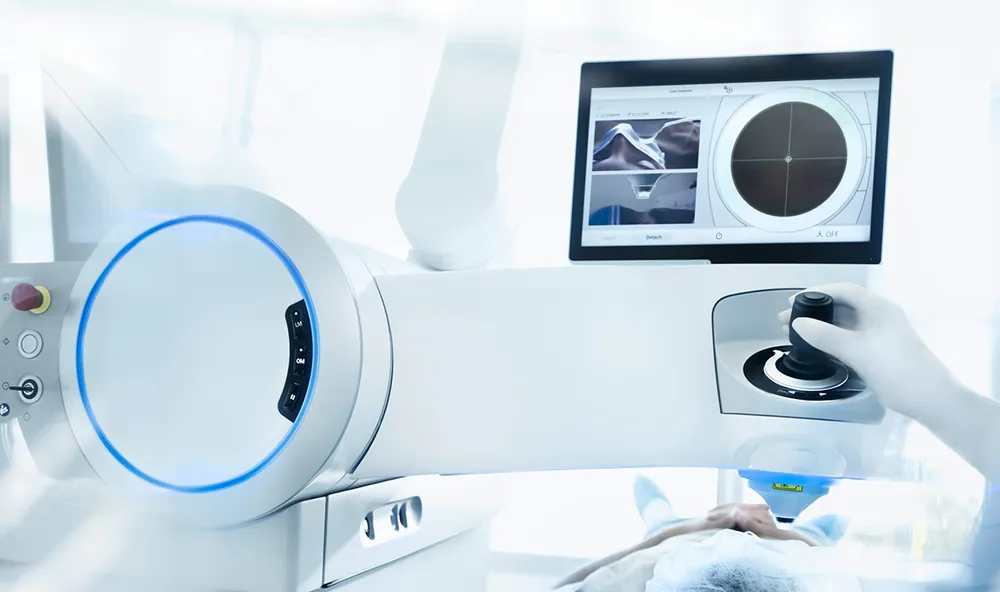
Laser Fit LASEK works on the subepithelial layer, after the surface is removed. Custom LASIK treats the stroma under a flap. SMILE removes a lenticule from inside the cornea through a small incision, and SMILE Pro does this on the VisuMax 800. If SMILE isn't suitable, LASEK or an ICL implant may be what I'd recommend instead.
During any of these, a lid speculum keeps your eye open, and the Amaris Red's eye tracking monitors and compensates for eye movement.
The clinic doesn't publish a price list, and these are the things that shape your own total:
How LASIK cost is built up shows similar reasoning for the flap procedure, and readers over 50 whose blur turns out to be lens-related can look at cataract cost and lens choice. To get a figure for your case, ask on WhatsApp what it would cost, with your prescription attached.
Common and temporary: eye pain for 2 to 3 days, blurred vision in the first days, and glare, halos or dryness that may last longer. Vision that dips after surgery is most often down to regression or dry eye, and dry eye can usually be improved with proper management. Depending on the remaining corneal tissue, further treatment may be considered.
Less common: corneal haze, which is one reason AAO stresses sunglasses, because sun exposure can cause corneal scarring. Infection is a possible risk of any surface wound. Results and recovery differ from eye to eye.
Generally, people should wait or skip it if their prescription is unstable, if they're pregnant or breastfeeding, or if an eye infection or a condition affecting healing isn't under control.
If you're home and notice worsening pain, marked redness or a drop in vision, see a local eye doctor promptly and don't wait for a scheduled visit. The CDC's medical tourism guidance advises checking in advance that you can get follow-up care at home, and carrying your records makes that visit far easier.
One photo of your glasses prescription on WhatsApp is enough to start, and you can ask before booking anything. Add the question you most want answered, perhaps whether your calendar leaves enough room or what it would cost for your case. When you come to Seoul, the doctor examines your eyes and recommends the procedure that fits them and the way you live.
Results vary by individual, and your exam decides which procedure is proposed.
Laser vision correction
Three laser options, three different trade-offs. A side-by-side look at method, recovery time and who each one tends to suit, using the clinic's own comparison.
Lens surgery
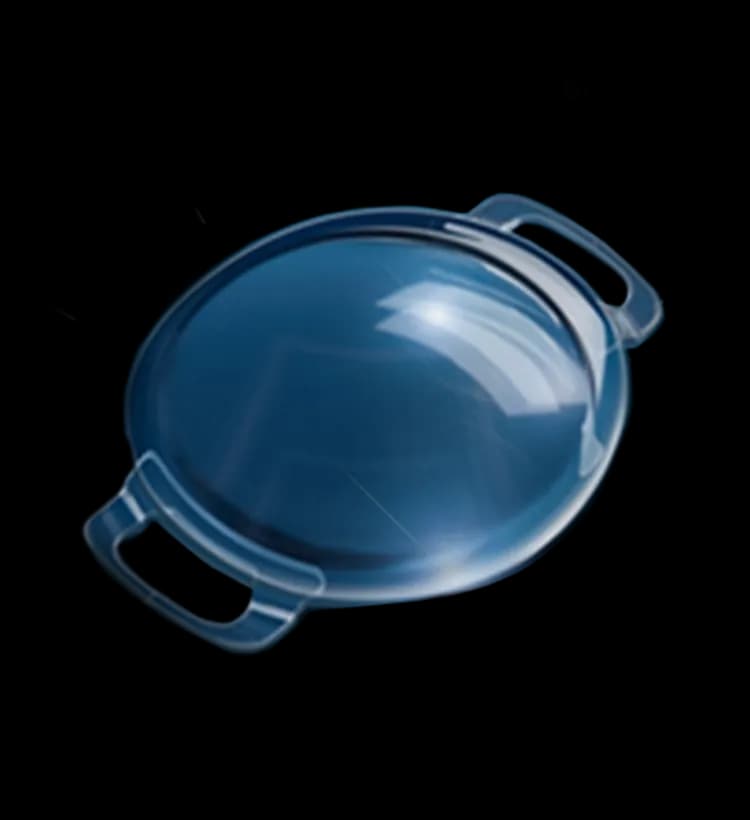
EVO ICL surgery cost in Korea is set mainly by the lens type, the sizing measurements, whether both eyes are treated and your follow-up days; after about 45, compare it with presbyopia lens surgery first.
Laser vision correction
The cost of laser vision correction in Korea is set mostly by which method your corneas allow, which add-on comes with it, and how your stay and follow-up are planned.