Laser vision correction
SMILE vs LASIK vs LASEK in Korea: how the three compare
Three laser options, three different trade-offs. A side-by-side look at method, recovery time and who each one tends to suit, using the clinic's own comparison.

Laser vision correction
Laser vision correction in Seoul usually needs no ward: you rest at your hotel. The clinic lists about 1 day of recovery for SMILE, 2–3 for Custom LASIK and 5–7 for LASEK, with a SMILE check-up within 1–2 weeks.
Worried that a high prescription means a long, painful recovery, and wondering whether you'll need a Korea LASIK recovery center to stay in after surgery?
Read this before you book the return flight.
You'll know what decides the cost, what reviews get right and wrong about the first week, which methods your numbers allow, and how many days each one takes to settle. With that, you can size the trip to your eyes and your budget.
Hello, I'm Dr. Hyun Chul Cheon, Representative Director at Bright Eye Clinic Gangnam. I'm an ophthalmology specialist, certified in ICL / SMILE.
We have three VisuMax lasers on site, including the ZEISS VisuMax 800 for SMILE Pro, and the Amaris Red excimer laser for LASIK and LASEK. We have interpreters for international patients, and the clinic is KAHF accredited 2025–2029, Korea's program for hospitals serving foreign patients.
I'm writing this because people often fix their travel dates first and learn their method second. The method is what sets the recovery days.
Laser vision correction usually needs no ward or overnight stay: you rest at your hotel the same day. The clinic lists about 1 day of recovery for SMILE, 2–3 days for Custom LASIK and 5–7 days for LASEK, and after SMILE a check-up typically follows within 1–2 weeks.
If you're not sure which of those timelines your eyes point to, send a photo of your latest glasses or contact lens prescription on WhatsApp and ask which method people with numbers like yours usually discuss first. One photo is enough to start.
Recovery time follows the method, and the method follows measurements. The factors weighed are corneal thickness, the amount of tissue that can be safely removed, the health of the corneal endothelial cells, the anatomy of the eye, astigmatism and the overall condition of the eye. Your lifestyle and what you need to see well for come into it too.
With a high prescription, the first two carry the most weight. Laser correction reshapes the cornea by removing tissue, and a stronger prescription means more tissue goes. When the cornea is thin for the amount of correction, taking more away is the wrong trade. That is often why a surgeon at home said no.
The number on your glasses is where the conversation starts. It says nothing about how thick your cornea is, so on its own it can't settle the method or the length of your trip.
When someone tells me their surgeon at home refused them, I don't treat that as an obstacle to talk around. It usually means the cornea was measured and the margin was tight. What I want to know is which route stays inside a safe margin for that cornea, and sometimes that route isn't laser at all.
Dr. Hyun Chul Cheon
We offer four ways to correct nearsightedness, and they treat the eye differently. That difference is what you feel in the first week.
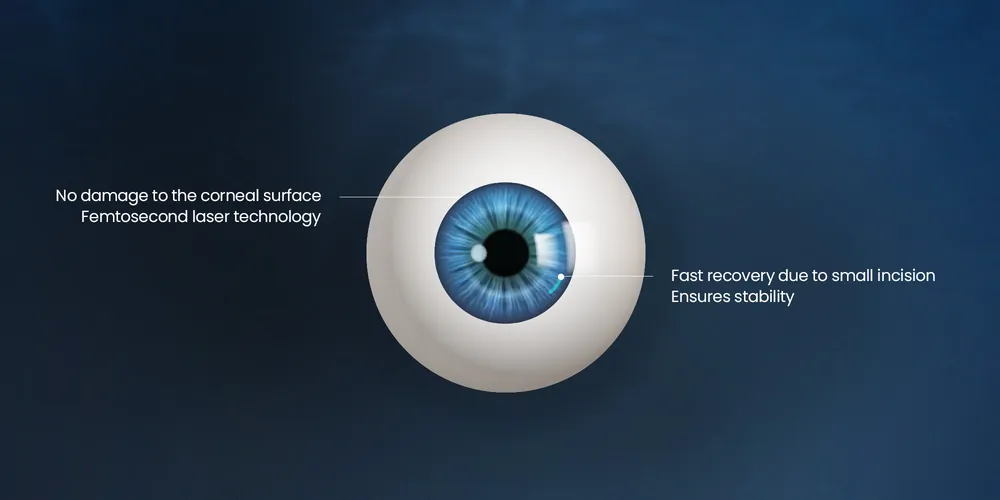
SMILE and SMILE Pro use the same technique. On the VisuMax 800 used for SMILE Pro, the laser runs for about 10 seconds per eye, against roughly 23–30 seconds on the earlier VisuMax. Custom LASIK recovers relatively fast but leaves a flap that is weaker against a knock to the eye. LASEK has no flap and holds up better to impact, at the price of a slower, sorer first week. I go through the three lasers side by side in SMILE vs LASIK vs LASEK in Korea.
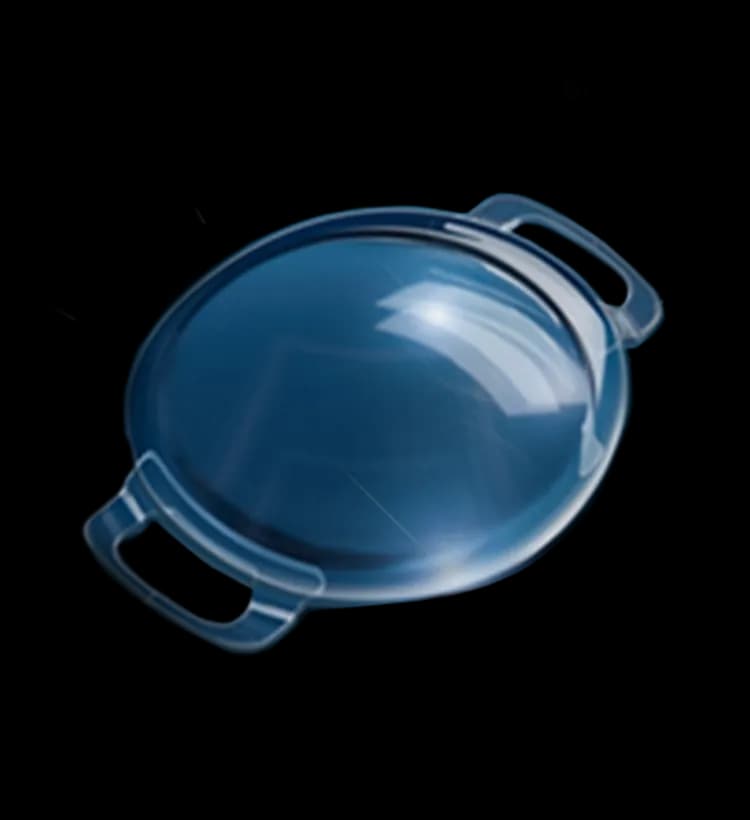
If SMILE doesn't suit your cornea, LASEK or an ICL implant is what I'd look at next. An ICL is a lens placed inside the eye, and no corneal tissue is removed, which is why it comes up for eyes that laser doesn't suit. Its risks are different: the FDA lists cataract and raised eye pressure among them. I explain how that lens choice is weighed, including after 40, in what goes into EVO ICL surgery in Korea.
When the cornea is thin or a lot of tissue has to come out, corneal strengthening (CXL) may also be part of the plan. It applies vitamin B2 (riboflavin) to the cornea and then controlled UV light to strengthen its collagen fibers.
| Method | How the eye is treated | Recovery the clinic lists |
|---|---|---|
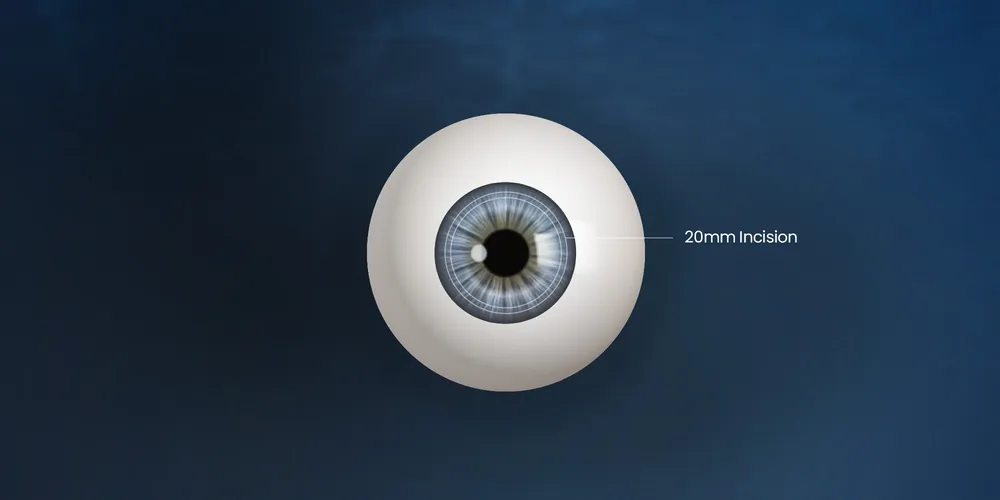
| SMILE / SMILE Pro | A thin lens of tissue is removed through a small incision, no flap | About 1 day |
| Custom LASIK | A flap is made, then tissue is reshaped underneath | 2–3 days |
| LASEK | The surface layer is lifted, no flap | 5–7 days, with pain for a few days |
The longest part of the timeline often happens at home, before you fly. Contact lenses have to stay out before both the exam and the surgery: at least 5 days for soft lenses, at least 2 weeks for rigid or toric lenses, and at least a month for Ortho-K. If you wear toric lenses for astigmatism, that's two weeks in glasses before the trip even starts.
For SMILE, here is how the clinic describes the days after surgery:
Custom LASIK is listed at 2–3 days and LASEK at 5–7 days, with pain for a few days after LASEK. If your eyes point to LASEK, plan extra days in Seoul.
One calendar detail matters more than people expect: the clinic is closed on Wednesdays and Sundays. Weekday hours are 9:30 AM to 6:30 PM on Monday, Tuesday, Thursday and Friday, and Saturday runs 8:30 AM to 5:00 PM. A plan that depends on a Wednesday visit won't work.
Say you're around -9.00 with astigmatism
Say you wear toric lenses for about -9.00 with some astigmatism, and a surgeon at home told you your corneas were thin for LASIK. Your first step is two weeks in glasses before you leave.
At the exam, corneal thickness and the tissue that can be safely removed decide the route. If SMILE fits, you may see well the next morning, but I'd still have you book the return flight after the follow-up check, not after the first clear morning. If the cornea is borderline, CXL may come into the plan. If LASEK is the route, those 5–7 days of recovery become the core of the trip. If laser isn't right for that cornea, the conversation turns to an ICL, and you'd ask at booking how many days to plan for it.
So the person searching for a Korea LASIK recovery center is really asking two things: how many nights near the clinic, and whether the dates leave room for the check-up.
If that sounds like your situation, write down your current lens type and the latest date you could fly home, then send both on WhatsApp and ask whether those dates leave room for the follow-up check. Knowing your lens type tells you how early you need to switch to glasses.
Send your prescription and travel dates on WhatsApp
Review threads repeat a handful of claims. Some hold up, some only hold for one method.
"I could see clearly the next morning." For SMILE this matches how recovery usually goes: most people see clearly from the day after. It does not describe LASEK, where the surface layer needs about a week to heal.
"Halos at night mean something went wrong." Glare, halos at night and dry eye are common temporary effects. They usually settle within a few weeks, and vision keeps stabilizing for 1–3 months. Halos that aren't fading after that are worth getting checked. They aren't something to wait out indefinitely.
"You can go straight back to sightseeing." Partly true. Seeing well enough to walk around is different from the eye being healed. The FDA's patient guidance tells you not to rub your eyes, and to stay out of pools and hot tubs for the first weeks. Long screen sessions can also make dryness worse early on.
"You have to stay in Seoul for weeks." That depends on the method. For SMILE, the follow-up check is what anchors the stay; for LASEK, the healing week does.
I don't put figures on this page, because the figure follows choices made at your exam. These are what move it:
I go through how these add up in what moves the number for LASIK in Korea. For your own case, ask on WhatsApp what it would cost, and say which method you're leaning toward.
The common reactions are temporary: glare, halos at night and dry eye after SMILE, usually easing within a few weeks with artificial tears or prescribed drops. After LASEK, expect pain for a few days. In rare cases vision recovers more slowly or a small residual prescription remains, and an enhancement can be considered. Serious complications such as corneal inflammation or opacity are extremely rare and are typically treatable with medication when caught early. How fast each person recovers varies with their eyes and their starting prescription.
Vision can also slip later, most often from myopic regression or dry eye. Depending on how much corneal tissue remains, enhancement options include LASEK or an ICL. Presbyopia is a separate matter: it comes with age, whether or not you've had surgery.
As general medicine, some people should wait or look at other options. The FDA's guidance names these, among others:
If you're past 50 and your lens is starting to cloud, reshaping the cornea may not be the right question at all. I cover that choice in how cataract surgery and lens choice are set. Either way, candidacy and the most suitable procedure can only be confirmed after a thorough preoperative evaluation.
If something feels wrong after you fly home, such as rising pain, vision getting worse instead of better, or a red eye with discharge, see a local ophthalmologist promptly and bring your surgery records. The CDC's medical tourism guidance recommends arranging follow-up care at home before you travel, so find that ophthalmologist before your trip.
If you have a recent eye exam report that shows your corneal thickness, send a photo of it on WhatsApp with the dates you could be in Seoul, and ask how long a stay those numbers usually call for. You can ask before booking anything. When you come, your exam measures the cornea itself, and I recommend the method that fits your eyes and the time you have.
Results vary by individual, and your exam decides which procedure is proposed.
Even after a smooth recovery, I'd want you to keep an annual eye exam at home. Eye health involves more than the cornea. The retina and optic nerve affect vision too, and they deserve a look every year whether or not you've had surgery.
Dr. Hyun Chul Cheon
Laser vision correction
Three laser options, three different trade-offs. A side-by-side look at method, recovery time and who each one tends to suit, using the clinic's own comparison.
Lens surgery
EVO ICL surgery cost in Korea is set mainly by the lens type, the sizing measurements, whether both eyes are treated and your follow-up days; after about 45, compare it with presbyopia lens surgery first.
Laser vision correction
The cost of laser vision correction in Korea is set mostly by which method your corneas allow, which add-on comes with it, and how your stay and follow-up are planned.