Laser vision correction
SMILE vs LASIK vs LASEK in Korea: how the three compare
Three laser options, three different trade-offs. A side-by-side look at method, recovery time and who each one tends to suit, using the clinic's own comparison.

Laser vision correction
A recovery program around LASIK or SMILE in Korea usually means add-on care such as corneal strengthening or moisture treatment, plus the follow-up check. Your corneal thickness and dryness decide whether you need any…
Do you actually need a Korea LASIK recovery program for your eyes, or is it one more line on the quote that nobody expects you to question?
Read this before you pick a package.
By the end you'll know what these programs usually contain, what reviews get right and wrong about recovery, which surgical methods they come attached to and what decides the cost. That way you can tell which extras fit your corneas and your budget.
Hello, I'm Dr. Hyun Chul Cheon, Representative Director at Bright Eye Clinic Gangnam and an ophthalmology specialist certified in ICL / SMILE.
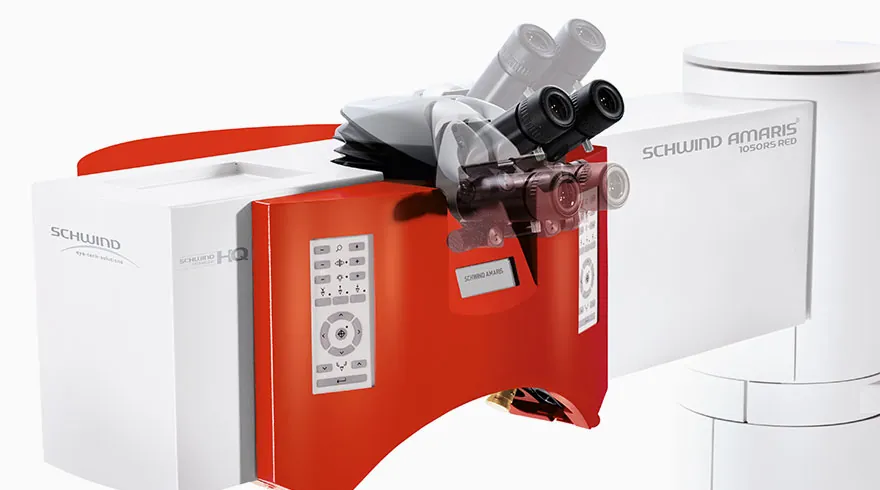
We have three VisuMax lasers on site, an Amaris Red excimer laser for LASIK and LASEK, and interpreters for international patients. The clinic is KAHF accredited for 2025–2029, which is Korea's program for hospitals serving foreign patients.
I'm writing this because people with high prescriptions often pick recovery extras off a website menu before anyone has measured their corneas. That's the wrong order.
In Korea, a recovery program for laser vision correction usually means add-on care around the surgery, such as corneal strengthening, moisture care or a platelet-rich treatment, plus the follow-up check. Whether you need any of it depends on your corneal thickness, how much tissue your correction removes and how dry your eyes already are.
If you have a corneal thickness reading or topography printout from an exam at home, send a photo of it on WhatsApp with one question: would any of these extras apply to an eye like mine?
‘Recovery program’ is not a medical term. Online it can mean anything from a bottle of artificial tears to a bundle of treatments, so the name alone tells you very little.
At our clinic the idea shows up as SMILE tiers. Triple SMILE and Core SMILE add corneal strengthening to increase stability. Quattro SMILE and Prime SMILE add moisture replenishment to reduce discomfort. Signature SMILE adds a platelet-rich treatment with 8 times more concentrated platelets. Bright SMILE Pro is performed on the newer VisuMax 800 by a doctor with 10+ years of SMILE experience. Your doctor recommends a tier after your exam. You don't pick one in advance.
Our FAQ states the purpose plainly: additional treatments such as corneal strengthening or dry eye management may help enhance recovery and surgical results. The word that matters is help. Your cornea does the healing, and these extras support it.
Before you think about any extra, remember that the method decides how many days you'll feel the surgery. These are the recovery times from the clinic's own comparison:
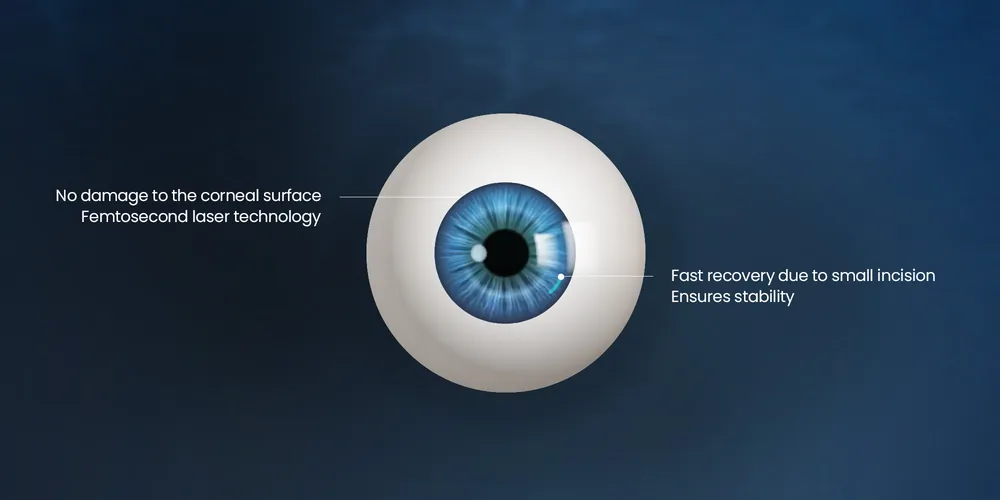
If you're weighing all three, the comparison of SMILE, LASIK and LASEK in Korea goes through the trade-offs in more detail. Here's the short version for a high prescription. LASIK's flap makes the cornea weaker against external impact. LASEK resists impact, but recovery is slower and sore for a few days. SMILE removes a small lenticule through a small incision, with minimal corneal damage.
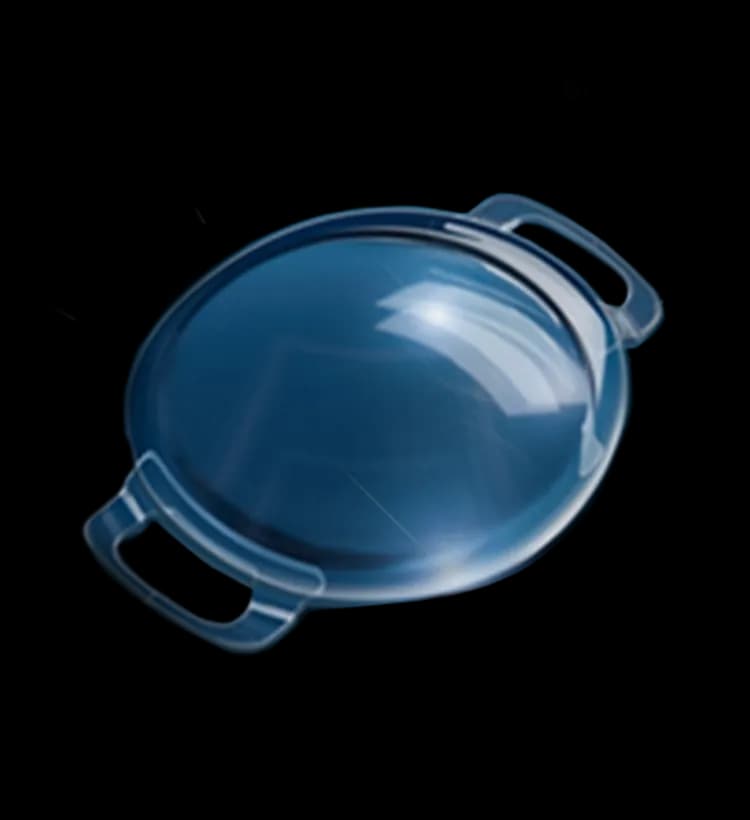
When the cornea is thin for the amount of correction, I don't think removing more tissue is the answer, no matter what program is attached. If SMILE is not suitable, LASEK or an ICL implant may be recommended. An ICL leaves corneal tissue alone but carries risks of its own. The FDA's list for phakic lenses includes raised eye pressure and cataract. The EVO ICL cost and recovery guide covers that route.
| Method | How the cornea is treated | Recovery listed |
|---|---|---|
| SMILE LASIK | Lenticule removed inside the cornea, flapless | 1 day |
| Custom LASIK | Flap, then stromal ablation | 2–3 days |
| LASEK | Surface layer removed, then ablation | 5–7 days, pain for a few days |
Corneal strengthening, or CXL, puts vitamin B2 (riboflavin) on the cornea and then applies controlled ultraviolet light, which strengthens the collagen fibers. It's commonly recommended for people with thin corneas or people who need a lot of tissue removed. High prescriptions often fall into the second group.
Dry-eye care answers a different question. Some dryness after laser surgery is common. What people tend to underestimate is dryness they already had: years in contact lenses, ten-hour screen days and long flights all add to it.
Say you're around -7.50 with astigmatism, you've worn toric lenses for twelve years, and by evening they feel gritty. I'd want two answers before talking about extras: how much cornea is left after the planned correction, and how dry your eyes are without lenses. If the remaining cornea is on the thin side, strengthening becomes a serious discussion, or the discussion moves to LASEK or ICL. If dryness is already a daily problem, moisture care around surgery makes sense, and so does expecting a few dry weeks. If neither is an issue, you may not need an extra at all.
If this sounds like your eyes, send a photo of your current glasses or contact lens prescription on WhatsApp and ask whether corneal strengthening or moisture care usually comes up for a correction that size.
Send your prescription or corneal reading on WhatsApp
Which tier, or whether you need one, is something I decide after a comprehensive exam, not from a menu. Corneal thickness, how much tissue can be safely removed, endothelial cell health, astigmatism and how you live and work all go into it. A recovery program chosen before any of that is measured is a guess, and with a high prescription I don't want to guess.
Dr. Hyun Chul Cheon
Three claims show up again and again in review threads.
‘I could see clearly the next day.’ For SMILE this is often true. Vision may be slightly blurry on surgery day, and most people see clearly from the next day. Reviews rarely mention the rest: vision generally stabilizes over 1–2 weeks, and the final result settles within 1–3 months.
‘The recovery package means no dry eye.’ That isn't true. Moisture care can reduce discomfort, but glare, night halos and dryness can still appear after SMILE. In most cases they resolve within a few weeks with artificial tears or prescribed medication.
‘Halos at night mean something went wrong.’ In the first weeks, usually not. The American Academy of Ophthalmology lists glare and halos among the side effects of laser vision correction. Halos that are still getting worse after a few weeks need a check.
The clinic doesn't publish a price list, so here are the factors that move the figure. The first is the surgery underneath: SMILE, SMILE Pro, Custom LASIK or LASEK. The second is which SMILE tier, if any, fits your exam, whether that's strengthening, moisture or the platelet-rich treatment. The third is whether your cornea calls for CXL at all. The fourth is whether a lens implant replaces laser entirely.
How many days you stay in Seoul around the follow-up affects your trip budget too, even though it isn't a clinic charge. For LASIK specifically, this post on what moves the number for LASIK in Korea goes further. For your own case, ask on WhatsApp what it would cost, and name the method you're leaning toward.
Your recovery starts weeks before the flight. Before the exam, stop wearing rigid or toric lenses for at least 2 weeks, soft lenses for at least 5 days and ortho-K lenses for at least 1 month. If you wear torics, that's two weeks in glasses before you land.
We're open Monday, Tuesday, Thursday and Friday from 9:30 AM to 6:30 PM and Saturday from 8:30 AM to 5:00 PM. We're closed Wednesday and Sunday, so neither can be an exam or check-up day. On surgery day, skip makeup, perfume and hairspray, and wear clothes you can lie down in. Don't drive afterward. Bringing a companion is strongly encouraged.
After SMILE, a follow-up check is typically done within 1–2 weeks. For a traveler, that check is the part of any recovery program that matters most, so ask at booking how it fits your return flight. The CDC's medical tourism guidance gives similar advice: plan follow-up care before you go and bring copies of your records home.
Risks and side effects to know
The common reactions are temporary. After SMILE, glare, night halos and dry eye usually settle within a few weeks. After LASEK, expect pain for a few days. Less often, visual recovery is slower or a small residual prescription remains. In that case an enhancement such as LASEK or ICL may be considered, depending on how much corneal tissue is left. Serious complications such as corneal inflammation or opacity are extremely rare and can typically be treated with medication when caught early. Recovery speed and the final result vary with your eyes and your starting prescription.
Some people should wait or skip laser surgery. The FDA's guidance on when LASIK is not for you names a prescription that is still changing, pregnancy or nursing, and certain diseases or medications that affect healing. A thin or irregularly shaped cornea is also a reason to slow down. If you're past your mid-forties and your natural lens is already changing, laser recovery may be the wrong conversation, and the guide to cataract surgery cost and lens choice is a better place to start.
If you're home and notice pain, a sudden drop in vision or redness that keeps getting worse, see an ophthalmologist near you promptly and bring your surgery records. Then message us with what you're seeing. Presbyopia can still develop over the years whether or not you've had surgery, and the retina and optic nerve matter as much as the cornea, so keep having a comprehensive eye exam every year.
When you're ready, send your travel dates on WhatsApp along with the one question from this list you most want answered. You can ask before you book anything. When you come to Seoul, the exam measures your corneal thickness, the tissue that can be safely removed and your eye's overall condition, and the doctor recommends the method, and any extras, that fit your eyes.
Results vary by individual, and your exam decides which procedure is proposed.
Laser vision correction
Three laser options, three different trade-offs. A side-by-side look at method, recovery time and who each one tends to suit, using the clinic's own comparison.
Lens surgery
EVO ICL surgery cost in Korea is set mainly by the lens type, the sizing measurements, whether both eyes are treated and your follow-up days; after about 45, compare it with presbyopia lens surgery first.
Laser vision correction
The cost of laser vision correction in Korea is set mostly by which method your corneas allow, which add-on comes with it, and how your stay and follow-up are planned.