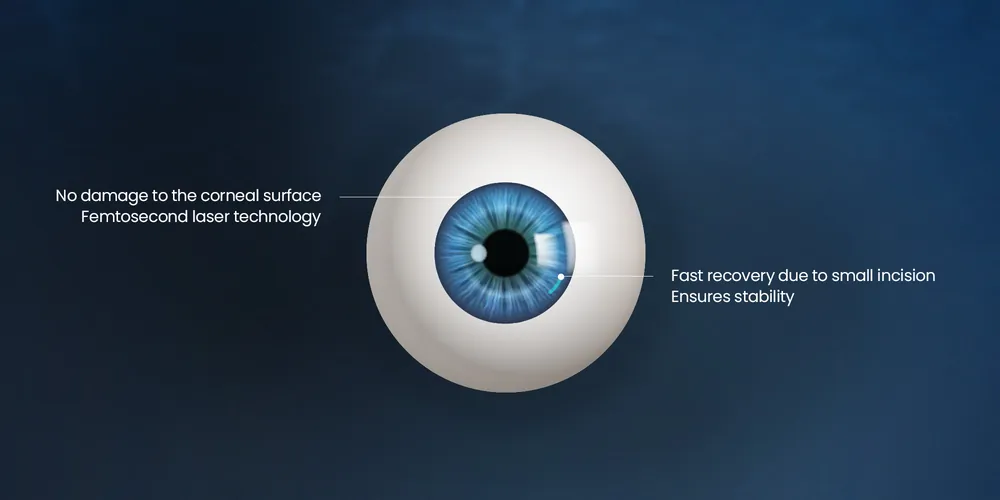
Laser vision correction
SMILE vs LASIK vs LASEK in Korea: how the three compare
Three laser options, three different trade-offs. A side-by-side look at method, recovery time and who each one tends to suit, using the clinic's own comparison.

Laser vision correction
The laser takes about 10 seconds per eye, yet the follow-up check, typically within 1–2 weeks, sets your trip length. Your lens-free days also start before you leave home.
Can SMILE Pro eye surgery Korea trips really fit inside the leave you have left this year, or will you be flying home before your eyes are ready?
Go through this before you put in that leave request.
By the end you'll know what results to expect and when, what decides the cost, what reviews get right, and how many days to plan, so you can tell whether this trip suits your calendar and budget.
Hello, I'm Dr. Hyun Chul Cheon, Representative Director at Bright Eye Clinic Gangnam, an ophthalmologist certified in ICL and SMILE.
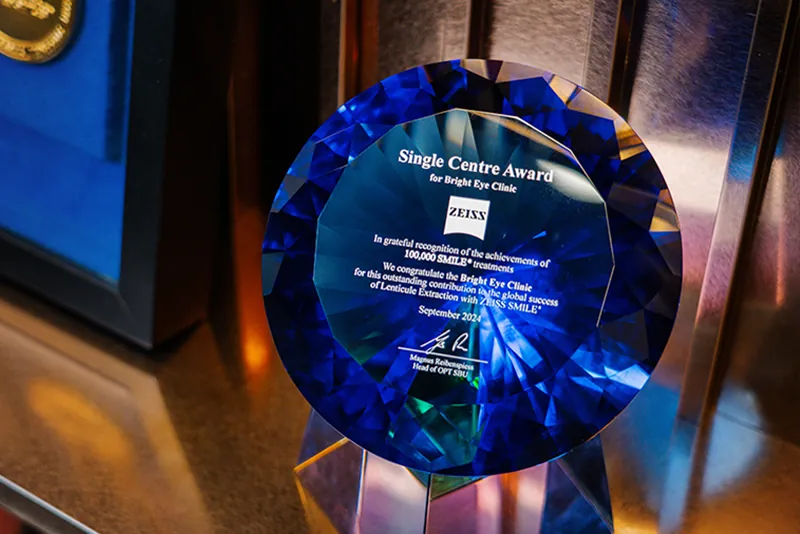
The clinic has 3 VisuMax lasers on site, including the VisuMax 800 used for SMILE Pro. We hold a ZEISS certificate for 100,000 SMILE procedures, and we have interpreters for international patients.
I wrote this because many people plan the trip around how fast the laser is, and laser speed is the one number that has no bearing on your flight home.
The figure to plan around is the follow-up check, typically performed within 1–2 weeks after SMILE. Most people see clearly from the day after surgery, but a trip that covers that check is what I'd aim for.
Before you commit to dates, send your available leave dates on WhatsApp and ask whether your follow-up check fits inside them. That gives you a concrete answer to weigh before you pay for flights.
SMILE Pro is SMILE performed on the ZEISS VisuMax 800. The technique is the same: a laser shapes a lenticule inside the cornea, and it comes out through a small incision. We publish no shorter recovery for it, so I wouldn't shorten a trip because of it.
The difference sits in the laser. Time per eye drops from about 23–30 seconds to about 10, with enhanced eye-tracking and centration through its OcuLign and CentraLign functions, and improved astigmatism correction. Those matter while you're on the table. Ten seconds describes the laser, though, and your cornea still heals on its own schedule.
That's why the recovery figures below come from our SMILE guidance. SMILE Pro uses the same surgical technique, so they're the frame to plan with. At this clinic, SMILE Pro is performed by a doctor with more than 10 years of SMILE experience.
The bigger question is whether it's right for you at all, and I can't answer that from an airline itinerary. Corneal thickness, how much tissue can safely be removed, endothelial cell health and your eye's anatomy all come from a full exam. If SMILE doesn't suit, LASEK or an ICL implant may be recommended. LASEK generally has a slower first few days as the surface heals, and the three laser options side by side show the trade-offs. ICL means surgery inside the eye, with its own risks such as raised pressure or cataract, and what counts for ICL after 40 covers them.
A SMILE Pro eye surgery Korea trip starts earlier than most people assume, because the lens-free period begins at home.
On surgery day itself, skip makeup, perfume and hairspray, since they can interfere with the laser equipment. Wear something you can lie down in comfortably, with no hood and no boots. Tell your doctor at consultation if you take aspirin or heart medication, because stopping may need to happen about a week before surgery.
| When | What usually happens | What it means for your trip |
|---|---|---|
| Before you fly | Soft lenses out at least 5 days; rigid or toric at least 2 weeks; Ortho-K at least 1 month | Count back from your exam date and pack glasses |
| Surgery day | Vision may be slightly blurry | No driving; public transport or a ride, and a companion if possible |
| Next day | Most people see clearly | Keep plans light, and leave room for dryness |
| First 1–2 weeks | Glare, halos or dryness may appear, then typically improve; follow-up check falls here | Stay for the check if you can |
| 1–3 months | Vision stabilizes toward the final result | You'll be home for this, so plan your annual eye exam there |
We don't publish a fixed stay, so build it from three things: the clinic's hours, the exam and surgery, and the check within 1–2 weeks. Staying through a one-week check usually means about ten nights.
The calendar matters here. We're open Monday, Tuesday, Thursday and Friday 9:30 AM to 6:30 PM, and Saturday 8:30 AM to 5:00 PM. Wednesday and Sunday are closed, and lunch runs 1:00 to 2:00 PM.
Say you land on a Friday night, with your soft lenses out for the required 5 days. You could request a Saturday exam, then surgery on Monday if your results support it. A check one week later lands on the next Monday, so you'd fly home that evening or the day after. That comes to ten or eleven nights in Seoul. Treat it as a set of dates to propose and confirm at booking, since none of it is a set program.
If you only have five or six days, ask before booking whether an earlier check would be enough for your case, and find an eye doctor at home who'll see you afterward. As for the flight itself, the CDC's medical tourism page suggests delaying air travel 10–14 days after major surgeries, particularly those involving the chest. That advice isn't written for a corneal procedure, so ask about your own flight date when you book, and pack artificial tears in your carry-on for the dry cabin air.
A photo of your glasses prescription and a note on your lens type are worth sending on WhatsApp next. Your lens type sets your lens-free count, so ask how it affects your earliest exam date.
Send your travel dates on WhatsApp
If your leave is short, I would rather you move the trip than squeeze it. The operation is quick, and that makes it tempting to treat this as a long weekend. But the check is where someone looks at how your cornea is healing, and at home you'd be explaining a foreign surgery to a stranger. Ask for your records before leaving either way.
Dr. Hyun Chul Cheon
Most people see clearly from the next day, with final results arriving within 1–3 months. How fast you get there and where you end up will vary with your eyes and your starting prescription, so I won't promise a particular acuity line.
In rare cases recovery is slower, or a small prescription remains. An enhancement may then be considered if enough corneal tissue is left. Astigmatism can be treated along with nearsightedness, and candidacy is confirmed through a preoperative evaluation.
If you're past 40, know what this surgery leaves alone. Presbyopia comes with age whether or not you've had vision correction, and the lens options for presbyopia are a separate subject. A cloudy natural lens is separate again, and lens choice in cataract surgery deals with that.
Three claims come up repeatedly in public review threads, and they deserve different verdicts.
Back to normal the next day. Half true. Clear vision the next day is common, yet dryness or glare can run into the second week. If your job means ten hours on a screen, expect your eyes to notice before your vision chart does.
Ten seconds means no downtime. This one doesn't hold. That number is laser time per eye. The 2014 review in Eye and Vision even names slightly slower visual recovery as a drawback of SMILE compared with LASIK, while noting improvements from laser setting changes.
You can't move, or the surgery fails. Mostly fear. A lid speculum keeps the eye open, and eye-tracking and fixation systems handle involuntary movement. In extremely rare cases where fixation is lost, the surgeon either continues safely or converts to a method such as LASEK.
Expect that glare, night halos and dry eye may turn up as temporary effects, usually clearing in a few weeks with artificial tears or prescribed medication. Corneal inflammation or opacity is extremely rare and typically treatable with medication if found early.
As general medical guidance, think again if any of these apply. The FDA's page on who may not suit refractive surgery lists a prescription change in the past year and conditions or medications that may affect wound healing. Pregnancy, breastfeeding, and a thin or irregular cornea are also common reasons to hold off.
If your eye becomes painful or vision drops after you're home, see a local eye doctor without delay and show them your surgical records. The CDC page also warns that treating complications back home may not be covered by your insurance, so check your policy before you travel.
The clinic quotes on request and has no public price list, so what I can give you is the set of things that shape your figure:
Ask on WhatsApp what SMILE Pro would cost for your case, and mention any added care you've read about.
Write down your possible travel dates and your longest possible stay, then send them on WhatsApp along with the one question your calendar raises. You can ask before booking anything. When you arrive, the doctor examines your eyes and recommends the procedure that fits them.
Results vary by individual, and your exam decides which procedure is proposed.
Laser vision correction
Three laser options, three different trade-offs. A side-by-side look at method, recovery time and who each one tends to suit, using the clinic's own comparison.
Lens surgery
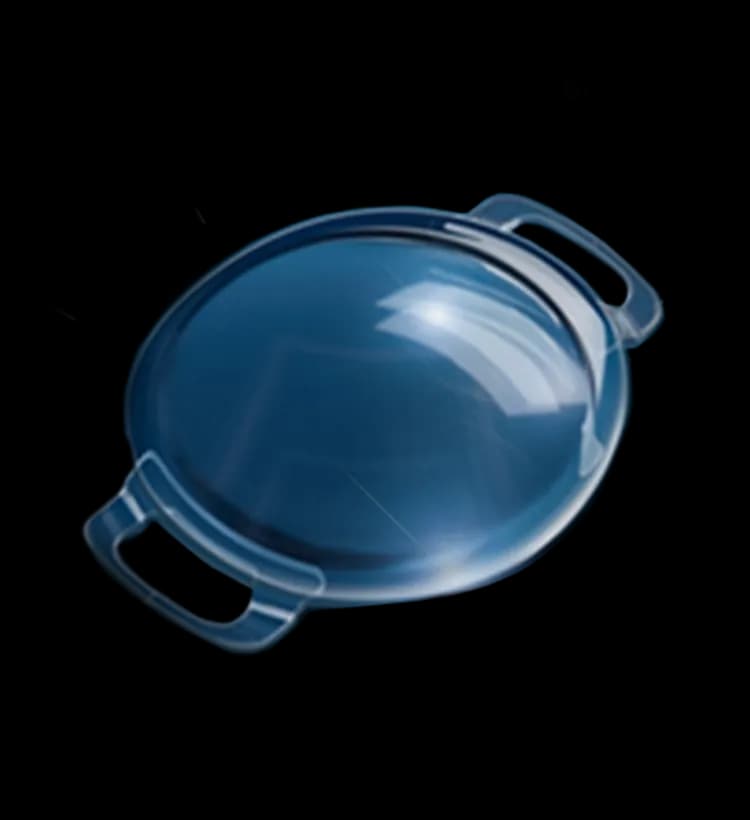
EVO ICL surgery cost in Korea is set mainly by the lens type, the sizing measurements, whether both eyes are treated and your follow-up days; after about 45, compare it with presbyopia lens surgery first.
Lens surgery
Close-up vision fades because the lens stiffens, not because of laser surgery. Here is how monofocal and multifocal lenses differ, and what ArtiPlus is.