Lens surgery
Presbyopia lens surgery in Korea: monofocal, multifocal and ArtiPlus
Close-up vision fades because the lens stiffens, not because of laser surgery. Here is how monofocal and multifocal lenses differ, and what ArtiPlus is.

Cataract and presbyopia
Presbyopia surgery cost in Korea is set mainly by the path your eyes need (an implant that keeps your natural lens, or lens replacement), the lens chosen, and whether one or both eyes are treated.
Presbyopia surgery cost Korea: are the quotes you're comparing even for the same operation, when one path keeps your own lens and the other replaces it?
Read this before you line those quotes up side by side.
You'll come away knowing what decides the cost, which methods suit which eyes, what reviews get right and wrong, and what recovery asks of your calendar, so you can see which path fits your eyes and your budget.
Hello, I'm Dr. Hyun Chul Cheon, Representative Director at Bright Eye Clinic Gangnam. Presbyopia and cataract surgery are part of my specialty as an ophthalmology specialist, and my record lists 7,000 cataract surgeries.
At our clinic both paths are on the table: ArtiPlus, a lens implant for younger presbyopes that preserves the natural lens, and lens surgery with monofocal, multifocal and other lens options. The clinic has a Carl Zeiss Lumera 700 surgical microscope, and interpreters are available for international patients.
I wrote this because people often set a figure for one path against a figure for the other and call the lower one a bargain, when the two are different operations for different eyes.
The short version: the cost is set mostly by which path your exam supports, which lens is chosen, and whether one or both eyes are treated. The clinic doesn't publish a price list, so the figure for your case is quoted on request.
If your glasses prescription has a reading addition on it, send a photo of it on WhatsApp with your age and the one question your spreadsheet can't answer.
Presbyopia happens because the natural lens inside your eye stiffens with age and can no longer change focus for close work the way it used to. The American Academy of Ophthalmology describes it as a normal part of aging that usually becomes noticeable after 40. Earlier laser surgery on the cornea didn't cause it and can't stop it.
There are two surgical ways around that stiff lens. One adds: ArtiPlus is an implant that preserves your natural lens, so cataract surgery isn't required. The other replaces: the natural lens is removed and an artificial intraocular lens goes in its place, the same core step as cataract surgery.
That's why I don't put the two figures side by side. Replacing the lens also deals with any early cataract change, and an artificial lens can't cloud into a cataract later. Keeping your own lens keeps the eye's natural structure, and a cataract can still develop years down the road and be treated then. I've written about monofocal, multifocal and ArtiPlus lenses in more depth; here the question is what each path does to your quote.
ArtiPlus tends to come into the conversation when you're a younger presbyope whose own lens is still clear and your main complaint is near work: the phone, a menu, a laptop held close.
A monofocal replacement lens focuses at one distance, near, intermediate or far, and you may still need reading glasses. For many people it brings fewer night-time halos than a multifocal lens, which matters if you drive after dark.
A multifocal lens is designed to help you see at near (about 40 cm), intermediate (about 80 cm) and far (beyond 100 cm). It suits people who want to reach for glasses less often and can accept some glare or halos while the brain adapts.
Say you're 54, a software engineer who drives home on unlit roads, reads code all day, and your exam shows the first hint of cataract. Lens replacement makes sense to me in that eye, because it deals with the cataract change too. The harder question is the lens. With that much night driving, I'd talk through whether reading glasses for fine print would bother you more than halos around headlights. Now say you're 46, your lens is clear, and only your phone has started to blur. That's where keeping your natural lens with ArtiPlus becomes the conversation. If you're in your 40s and still strongly nearsighted, ICL and what changes after 40 is a related path.
A personal plan, for me, means comparing the lens options against your detailed exam results and what you need to see in an ordinary week. Your lifestyle, your goals and how sensitive you are to glare and halos decide which lens I propose. A lens that suits someone who reads at home every evening can be the wrong lens for someone who drives dark roads every night, even when their exams look alike.
Dr. Hyun Chul Cheon
Most people who search “presbyopia surgery cost Korea” want one figure. What exists instead is a short list of things that set it:
If near vision is still fine and distance is your real problem, what moves a LASIK quote is the cost question you're actually asking. To get the figure for your own eyes, ask on WhatsApp what the path you're leaning toward would cost for your case.
Review threads about lens surgery for presbyopia circle the same four claims.
“I haven't touched glasses since.” Sometimes close. Multifocal lenses are designed for near, intermediate and far, but some people still pick up readers for very fine print or in dim light. With a monofocal lens, reading glasses for near work are expected.
“The night halos were awful.” This one is real. The American Academy of Ophthalmology notes that multifocal lenses can cause more glare and halos than monofocal ones. Many people stop noticing them as the brain adapts, while some keep finding them bothersome, which is exactly why night driving belongs in your lens conversation.
“My old LASIK caused this.” Not true. Presbyopia isn't directly related to whether you've had vision correction surgery; it develops with age either way.
“It's basically cataract surgery, so it's minor.” The core step is the same, and that's the reason to take it seriously: it is surgery inside the eye, with the risks covered below.
Before the trip, stop soft contact lenses at least 5 days before your exam and toric or rigid lenses at least 2 weeks before, so the measurements that guide your lens choice reflect your real eye. If you take heart medication or a blood thinner such as aspirin, say so at consultation; some need to be stopped about a week before surgery.
On surgery day you won't be driving, so plan public transport or a ride, and bring a companion if you can. After lens surgery in general, vision is often blurry at first and improves over days, with eye drops for some weeks and simple rules such as not rubbing the eye. The US National Eye Institute's guidance on cataract surgery, which shares the core lens-replacement step, describes healing that continues over several weeks, and notes that when both eyes need surgery they're done as separate operations.
That spacing drives your calendar more than anything else. Ask when you book how the second eye would be timed and how many days the plan needs, then add a margin before your flight. The clinic is closed on Wednesdays and Sundays, which matters when you count days. ArtiPlus keeps your own lens, but it is still an implant inside the eye, so ask how its recovery and follow-up compare for your plan.
Multifocal lenses add one more timeline: the brain needs time to get used to them. For many people that adaptation runs over weeks to months, so judge the result once you're home rather than on day three in Seoul.
If you already know your travel window, send the dates on WhatsApp with a line about how much night driving you do, and ask whether one trip can cover both eyes.
In the first days to weeks after lens surgery, blurry vision, a gritty feeling, light sensitivity and mild redness are common and usually settle as the eye heals. Glare and halos, especially at night and especially with multifocal lenses, can take longer to fade, and how long varies from person to person. Months or years after lens replacement, the thin capsule behind the new lens can turn hazy; that is a common and treatable change, usually handled with a short laser treatment.
Some people should wait or reconsider. As general medicine goes, an active eye infection or inflammation, poorly controlled diabetes or other conditions that affect healing, and significant retinal disease are reasons to treat first and operate later. In the American Academy of Ophthalmology's EyeNet debate on refractive lens exchange, retinal detachment risk was raised as a particular concern for younger, nearsighted eyes, which is one reason a younger presbyope with a clear lens may be steered toward keeping it. Mention blood thinners and any past eye surgery at your consultation.
If, after flying home, you notice a sudden drop in vision, worsening pain or redness, or new flashes of light or a shadow across your vision, see an ophthalmologist where you live the same day. The US CDC's medical tourism guidance recommends bringing home copies of your medical records; keep the details of your lens with them, because any eye doctor who treats you later will want to know exactly which lens is in your eye.
Whatever path you take, I strongly recommend an annual comprehensive eye exam, since the retina and optic nerve shape your vision as much as the lens does. Cataract-stage decisions follow the same logic, and how cataract lens choices set the cost covers that side.
When you're ready to swap guesses for your own numbers, send a photo of any recent eye exam report from home on WhatsApp and add the question that would change your plan. One photo is enough, and you can ask before booking anything. When you come, the doctor examines your eyes and recommends the lens path that fits how you live.
Results vary by individual, and your exam decides which procedure is proposed.
Lens surgery
Close-up vision fades because the lens stiffens, not because of laser surgery. Here is how monofocal and multifocal lenses differ, and what ArtiPlus is.
Lens surgery
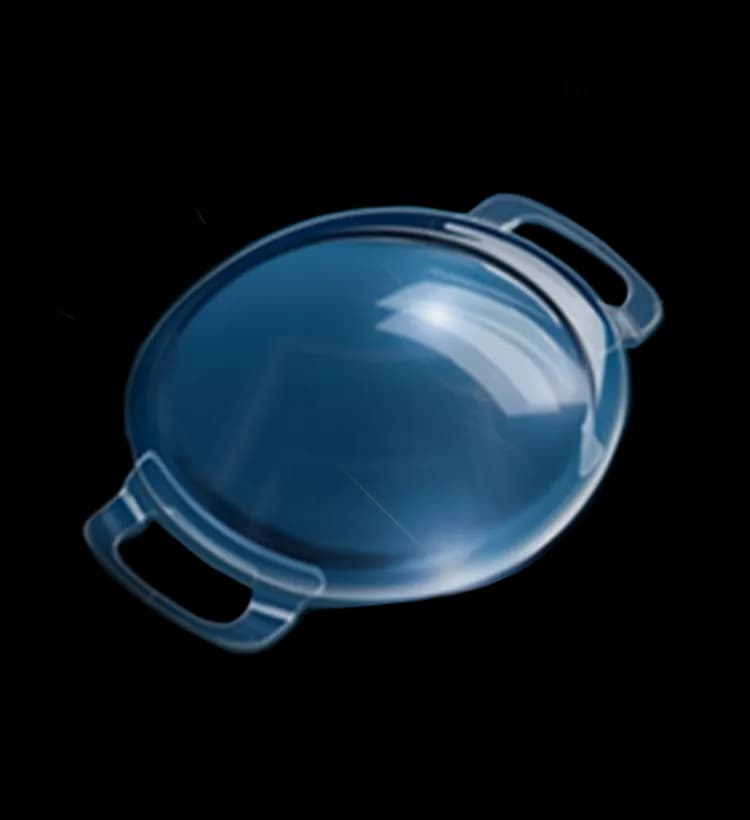
EVO ICL surgery cost in Korea is set mainly by the lens type, the sizing measurements, whether both eyes are treated and your follow-up days; after about 45, compare it with presbyopia lens surgery first.
Laser vision correction
The cost of laser vision correction in Korea is set mostly by which method your corneas allow, which add-on comes with it, and how your stay and follow-up are planned.